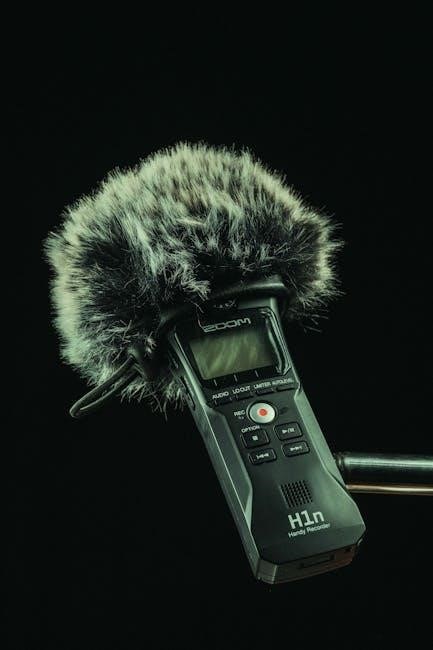
Zoom H1 Instruction Manual: A Comprehensive Guide
This manual provides a detailed walkthrough, ensuring you maximize your Zoom H1’s potential․ From initial setup to advanced features, discover efficient operation and dedicated customer support options․
Welcome to the world of portable recording! The Zoom H1 is a remarkably user-friendly handheld recorder, designed for musicians, journalists, podcasters, and anyone needing high-quality audio capture on the go․ This compact device delivers professional-level sound in a surprisingly simple package, making it an ideal tool for a wide range of applications․
This instruction manual serves as your comprehensive guide, walking you through every aspect of the H1 – from initial setup and understanding its controls, to mastering recording techniques and transferring your audio to a computer․ We’ll cover everything you need to know to unlock the full potential of your new recorder․
The H1 boasts intuitive operation, built-in stereo microphones, and the ability to connect external microphones for even greater flexibility․ Whether you’re capturing live performances, recording interviews, or simply documenting ideas, the Zoom H1 provides exceptional audio quality and convenience․ Prepare to experience effortless recording and elevate your audio projects!
Unboxing and Initial Setup
Congratulations on purchasing your Zoom H1! Let’s begin with unboxing and getting your recorder ready for action․ Inside the box, you should find the Zoom H1 recorder itself, a USB cable for data transfer and charging, and this instruction manual․ Carefully remove all packaging materials․
Before first use, it’s recommended to fully charge the H1 using the provided USB cable and a compatible USB power adapter (not included)․ Connect the H1 to your computer; it will appear as a removable drive․ While charging isn’t essential for immediate use, it ensures uninterrupted recording․
Insert two AA batteries into the battery compartment located on the bottom of the unit․ Ensure correct polarity as indicated inside the compartment․ The H1 can operate on batteries alone, USB power, or a combination of both․ Power on the device by pressing and holding the power button․ The initial setup is complete, and you’re now ready to explore the H1’s features!

Understanding the H1’s Controls and Interface
The Zoom H1 boasts an intuitive interface designed for ease of use․ On the front panel, you’ll find the power button, record button, and a dedicated gain control knob․ This knob adjusts the input level for optimal recording quality․ The LCD screen displays crucial information like recording time, battery life, and selected settings․
On the side of the H1, locate the menu button, allowing access to various settings such as recording format, sample rate, and limiter functions․ The up and down arrow buttons navigate through the menu options, while the enter button confirms your selections․ A headphone jack provides real-time monitoring of your recordings, essential for ensuring clean audio․
The rear panel features a micro-USB port for data transfer and charging, and a 3․5mm stereo mini-jack for external microphone connections․ Familiarizing yourself with these controls will unlock the full potential of your Zoom H1, enabling you to capture high-quality audio with confidence․
Powering the H1: Batteries and USB
The Zoom H1 offers flexible power options, ensuring you’re never left without recording capability․ It primarily operates on two standard AA batteries, providing several hours of recording time depending on usage and settings․ Alkaline or rechargeable NiMH batteries are both compatible, offering convenience and cost-effectiveness․
Alternatively, the H1 can be powered via the micro-USB port․ Connecting it to a computer or a USB power adapter allows for extended recording sessions or charging the batteries while in use․ USB power takes precedence, meaning the H1 will draw power from the USB source if available, conserving battery life․
A battery indicator on the LCD screen displays the remaining power level, alerting you when batteries need replacing or recharging․ Proper battery management is crucial for reliable performance, especially during critical recordings․ Utilizing USB power when possible can significantly extend your recording time․
Recording Basics: Setting Levels and Formats
Achieving optimal recording quality with the Zoom H1 begins with understanding level setting and format options․ Proper input levels are crucial; aim for peaks around -12dB to -6dB to avoid clipping (distortion) while maximizing signal strength․ Utilize the H1’s gain control to adjust input sensitivity, monitoring levels via the LCD screen․
The H1 supports various recording formats, including WAV and MP3․ WAV offers superior audio fidelity, ideal for professional applications and editing, while MP3 provides smaller file sizes suitable for quick sharing and playback․ Bit depth and sample rate settings further influence audio quality; higher settings yield better results but require more storage space․
Experiment with different settings to find the balance between quality and file size that suits your needs․ Regularly monitor your recordings with headphones to ensure levels are appropriate and there are no unwanted noises․ Mastering these basics will significantly improve your overall recording experience․
Microphone Selection and Input Options
The Zoom H1 offers versatile microphone options to suit diverse recording scenarios․ It features built-in stereo microphones, perfect for capturing ambient sounds or basic interviews․ However, for enhanced audio quality and specific applications, external microphone connections are supported via a standard 3․5mm stereo mini-plug․
You can connect lavalier microphones for speech recording, shotgun microphones for focused sound capture, or dynamic microphones for instruments and vocals․ The H1 provides plug-in power, enabling compatibility with many condenser microphones without requiring external power sources․ Ensure proper impedance matching for optimal performance․
When using external microphones, carefully adjust input levels to prevent clipping or excessive noise․ Experiment with different microphone placements to achieve the desired sound․ The H1’s input options allow for flexibility and customization, empowering you to capture professional-quality audio in various recording environments․
Using the Built-in Microphones
The Zoom H1’s integrated stereo microphones offer a convenient and straightforward recording solution for various applications․ These microphones are ideally suited for capturing ambient sounds, lectures, meetings, or musical performances in smaller spaces․ Position the H1 strategically to capture the desired sound source, avoiding direct obstructions․
For optimal results, ensure the microphones are not covered or blocked by hands or clothing․ Experiment with different angles to find the sweet spot for sound capture․ The built-in microphones are sensitive enough to pick up subtle nuances, but may also capture background noise․
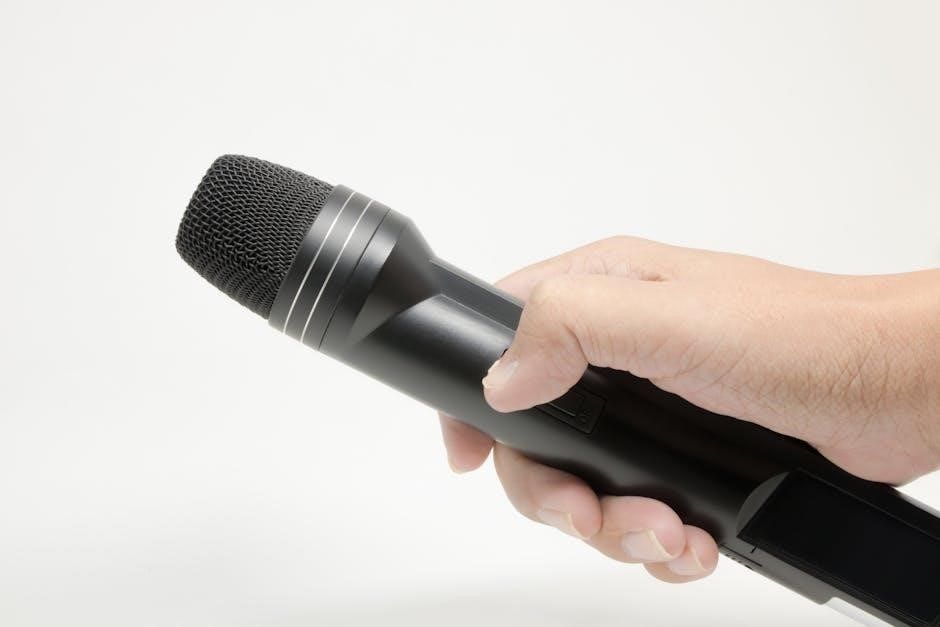
Utilize the H1’s auto-level function for quick and easy recording, or manually adjust the input gain for greater control․ Monitor the audio levels using headphones to ensure a clean and clear recording․ The built-in microphones provide a reliable and portable option for capturing high-quality audio on the go․
External Microphone Connections (XLR/TRS)
The Zoom H1 expands its versatility through external microphone inputs, accepting both XLR and TRS connections․ This allows for higher-quality recordings using professional-grade microphones․ Utilize the included adapter for connecting XLR microphones, ensuring a secure and stable connection; TRS microphones can be directly connected using a standard ¼-inch cable․
When connecting an XLR microphone, remember that the H1 provides phantom power (+24V), suitable for condenser microphones․ Activate phantom power within the H1’s menu system when using these types of microphones․ Dynamic microphones do not require phantom power and should be used without it․
Carefully adjust the input gain for the external microphone to achieve optimal recording levels․ Monitor the audio using headphones to prevent clipping or distortion․ Experiment with different microphone types and placements to achieve the desired sound characteristics․ External microphones significantly enhance the H1’s recording capabilities․

Navigating the H1’s Menu System
The Zoom H1 features an intuitive menu system, accessed via the physical buttons on the device․ Pressing the MENU button reveals the primary menu options, displayed on the LCD screen․ Use the UP/DOWN buttons to scroll through the available settings, such as recording format, sample rate, and low-cut filter․
Select a menu item by pressing the ENTER button․ Within each menu, use the UP/DOWN buttons to adjust the desired parameters․ Confirm your changes by pressing ENTER again․ To return to the previous menu level, press the MENU button․
Key menu options include adjusting the input level, selecting the microphone source (internal or external), and setting the recording date and time․ Familiarize yourself with the menu structure to efficiently customize the H1 to your specific recording needs․ The menu system provides comprehensive control over the device’s functionality․
Editing and Deleting Recordings
The Zoom H1 allows basic editing and deletion of recordings directly on the device․ To access these functions, navigate to the playback mode by pressing the PLAY button․ Use the UP/DOWN buttons to select the desired recording file․ Pressing the MENU button during playback reveals options like “Delete” and basic trimming capabilities․

Deleting a file is a straightforward process; select “Delete” from the menu and confirm your choice․ Be cautious, as deleted files are typically unrecoverable․ The H1 offers limited trimming functionality, allowing you to remove unwanted sections from the beginning or end of a recording․ This is useful for quickly cleaning up audio before transferring it to a computer․
For more advanced editing, it’s recommended to transfer your recordings to a computer and utilize dedicated audio editing software․ The H1’s on-device editing features provide convenient, quick fixes for simple adjustments, but professional-level editing requires more powerful tools․
Transferring Files to Your Computer (USB Mode)
Connecting your Zoom H1 to your computer via USB is the primary method for transferring recordings․ First, ensure the H1 is powered off․ Then, connect the included USB cable to the H1 and a USB port on your computer․ Power on the H1; it should automatically enter USB mode, displaying a corresponding icon on the screen․
Your computer will recognize the H1 as a removable storage device, typically labeled “ZOOM․” Open your computer’s file explorer (Windows) or Finder (Mac) to access the H1’s internal memory․ Recordings are usually stored in the “AUDIO” folder․ You can then simply drag and drop the desired files to your computer․
Once the transfer is complete, safely eject the H1 from your computer before disconnecting the USB cable․ This prevents data corruption․ The H1 supports both Mass Storage mode (described above) and Card Reader mode if a microSD card is inserted, allowing direct access to card files․
Firmware Updates and Maintenance
Maintaining your Zoom H1 with the latest firmware is crucial for optimal performance and access to new features․ Regularly check the Zoom website for available updates․ Download the latest firmware file and follow the instructions provided – typically involving transferring the file to an SD card and initiating the update through the H1’s menu system․
Proper storage is also essential․ When not in use, store the H1 in a cool, dry place, away from direct sunlight and extreme temperatures․ Avoid exposing it to dust or moisture․ Periodically clean the exterior with a soft, dry cloth․ Do not use harsh chemicals or solvents․

The microSD card slot should be inspected occasionally for dust accumulation․ Ensure the card is properly seated․ Backing up your recordings regularly to your computer is highly recommended to prevent data loss․ Following these simple maintenance steps will ensure your Zoom H1 remains reliable for years․
Troubleshooting Common Issues
No Power: Ensure batteries are correctly installed and sufficiently charged, or verify the USB connection is secure; If using USB, try a different port or cable․ No Sound: Check the input level settings and ensure a microphone is properly connected․ Confirm the H1 isn’t muted and the correct input source is selected․
Recording Errors: A full SD card or a corrupted card can cause errors․ Replace the SD card with a compatible, formatted one․ USB Connection Issues: If the H1 isn’t recognized by your computer, try a different USB cable or port․ Ensure the H1 is powered on and in USB mode․
Distorted Audio: Lower the input gain to prevent clipping․ If using an external microphone, check its power requirements․ Firmware Issues: If problems persist, consider re-installing the latest firmware․ If these steps don’t resolve the issue, consult the Zoom support website for further assistance and detailed FAQs․
Zoom H1 Specifications and Technical Details
Recording Formats: The Zoom H1 supports WAV and MP3 formats, offering flexibility for various applications․ Sample Rates: It records at 44․1kHz/48kHz, ensuring high-quality audio capture․ Bit Depth: Offers 16-bit and 24-bit recording options for nuanced sound․ Input Connectors: Features a stereo 1/8″ mic input and an XLR/TRS combo input․
Built-in Microphones: Equipped with two condenser microphones in an X/Y configuration, providing excellent stereo imaging․ SD Card Support: Compatible with SD and SDHC cards up to 32GB․ Display: Features a 1․23-inch LCD screen for easy navigation and monitoring․ Power Source: Operates on two AA batteries or via USB power․
Dimensions: 3․3 x 1․6 x 0․8 inches․ Weight: Approximately 0․44 lbs (200g) without batteries․ Frequency Response: 20Hz ‒ 20kHz․ Maximum Sound Level: 120dB SPL․ These specifications ensure reliable performance for diverse recording scenarios, making it a versatile tool for audio professionals and enthusiasts․
Customer Support and Warranty Information
Zoom offers comprehensive customer support to ensure a seamless experience with your H1 recorder․ Online Resources: Visit the official Zoom website for FAQs, downloadable resources, and troubleshooting guides․ Knowledge Base: Access a detailed knowledge base covering common issues and solutions․ Support Forums: Engage with a community of users and experts in the Zoom support forums․
Direct Support: Contact Zoom’s customer support team via email or phone for personalized assistance․ Warranty Coverage: The Zoom H1 is covered by a one-year limited warranty against defects in materials and workmanship․ This warranty begins from the original date of purchase․
Warranty Exclusions: Damage caused by misuse, accidents, or unauthorized modifications are not covered․ Repair Services: Zoom provides repair services for units outside of warranty, with associated costs․ Registration: Register your H1 online to activate your warranty and receive product updates․ Dedicated support options are readily available to address any concerns․