Overview of Power Rangers Coloring Pages PDF
Power Rangers coloring pages PDFs offer free‚ printable designs featuring iconic heroes‚ villains‚ and vehicles. Fans can download high‑resolution PDFs from official sites or fan communities‚ ensuring safe‚ copyright‑compliant use. These PDFs support creative play‚ skill building‚ and themed activities for all ages.!!!!!

Legal Considerations for Downloading and Using PDFs
When accessing Power Rangers coloring pages in PDF format‚ it is essential to respect intellectual property rights. The franchise is owned by Hasbro and its licensees‚ and most official artwork is protected under copyright law. Downloading PDFs from reputable sources that explicitly state the content is in the public domain‚ released under Creative Commons‚ or provided by the rights holders guarantees legal compliance. If a PDF is shared without permission‚ it may constitute infringement‚ leading to civil liability or removal from hosting platforms. Users should verify the license terms before printing or distributing the pages. For educational or non‑commercial use‚ many creators offer free PDFs under a “fair use” policy‚ but this does not automatically apply to all fan‑made content. Additionally‚ the use of PDFs for commercial purposes—such as selling printed coloring books or merchandise—requires explicit authorization from the copyright owner. Always check for a license agreement or contact the rights holder for clarification. Adhering to these guidelines protects creators‚ preserves the integrity of the franchise‚ and ensures that fans can enjoy the material responsibly.
Digital platforms may trigger automated copyright checks‚ leading to removal or takedown notices. Users should keep a record of the source URL and any license statement. When sharing PDFs on social media‚ include a brief disclaimer that the content is for personal use only. Some fan communities encourage members to create original artwork inspired by the series rather than copying existing images. By following these practices‚ enthusiasts can enjoy coloring while respecting the legal framework that protects the franchise’s intellectual assets.
Always verify that any PDF you download is a properly licensed or is confirmed domain; this safeguards against accidental infringement!
Popular Sources for Free Power Rangers PDFs
Fans seeking high‑quality‚ legally safe Power Rangers coloring pages often turn to a handful of well‑known platforms. The most reliable source is the official Hasbro website‚ where the company periodically releases free PDFs for educational and recreational use. These files are fully licensed‚ ensuring users can print and share them without fear of copyright infringement.
Another trusted venue is the official Power Rangers fan site‚ which hosts a curated gallery of fan‑created PDFs that have been vetted for compliance with the franchise’s licensing agreements. Users can download these pages directly‚ often after completing a registration that confirms the intent is personal use and promotes creative collaboration among like‑minded creators.
For those who prefer a broader variety‚ several community forums such as Reddit’s r/PowerRangers and fan art boards offer links to PDFs uploaded by enthusiasts. These sites are popular‚ it is crucial to verify the legitimacy of each file; many contributors include a link to the source or a license statement to assure users of compliance.
Additionally‚ mobile app stores such as Google Play and Apple App Store host several free PDF download apps that include Power Rangers collections. These apps often bundle multiple PDFs into a single package‚ allowing users to browse and download pages directly to their device. The advantage of using an app is that the files are usually compressed and optimized‚ reducing size while maintaining image quality. Enjoy 🙂

Printable vs Interactive PDF Formats
When choosing a format‚ consider the printing quality: printable PDFs are often provided in 300 DPI‚ ensuring crisp lines even on thick cardstock. Interactive PDFs may use layers for color selection‚ giving users flexibility. Both formats support accessibility features such as alt‑text for screen readers‚ in classrooms and home settings alike‚ for all ages. Enjoy! 🙂
Printable PDFs are ideal for tactile learning; children can trace outlines‚ practice motor skills‚ and develop color recognition without the distraction of a screen. They can be printed on various paper types‚ from standard printer stock to thick cardstock‚ allowing parents to choose the best medium for their child’s preference. The high‑resolution images ensure that even fine details‚ such as the intricate armor of the Rangers or the subtle shading on the Megazord‚ remain crisp when scaled down for home use. Teachers can also laminate pages to create reusable activity sheets‚ extending the life of the resource and reducing paper waste.
Interactive PDFs‚ meanwhile‚ provide a digital playground where users can click on a section and instantly fill it with a chosen hue. Many interactive files include a palette of preset colors‚ as well as the ability to create custom shades‚ giving kids a sense of ownership over their artwork. This format is especially useful for remote learning environments‚ where students can submit completed pages electronically‚ and educators can track progress through integrated grading tools. Moreover‚ interactive PDFs can embed audio cues or simple animations that reinforce learning objectives‚ such as naming the Ranger’s powers or matching colors to characters. The ability to zoom in and out also helps younger users focus on small details without frustration. Together‚ printable and interactive PDFs cover a spectrum of learning styles‚ ensuring that every child can engage with the Power Rangers universe in a way that suits their needs;
Parents can also use printable PDFs as templates for larger art projects‚ such as creating banners or collages‚ allowing children to practice cutting‚ gluing‚ and color matching skills while celebrating the Power Rangers theme for everyone. In addition‚ printable PDFs can be scanned and digitized‚ enabling children to upload their colored pages to online galleries or social media‚ fostering a sense of community and encouraging peer feedback. Interactive PDFs often support exporting completed artwork in JPEG or PNG format‚ making it easy to share with family and friends for all ages. Enjoy! 🙂

Coloring Techniques for Young Fans
When children tackle Power Rangers coloring pages‚ simple strategies boost confidence and creativity. First‚ choose bright‚ non‑bleeding markers or crayons that stay on thin paper. Start with the largest areas—Ranger suits‚ Megazord chassis‚ or background skies—using a single color to fill quickly. Then move to smaller sections‚ layering colors to create depth. For shading‚ lightly cross‑hatch with a darker shade of the same hue‚ keeping strokes parallel to the original line. This technique teaches light direction while keeping the artwork tidy. When a child struggles with fine detail‚ encourage them to use a paintbrush or a gel pen for precision; the thicker tip helps control small strokes. Another helpful tip is to use a color‑matching chart: match the Ranger’s official palette (red‚ blue‚ green‚ yellow‚ black) to the printed outline‚ reinforcing color recognition. Finally‚ let kids experiment with gradients—blend two colors by alternating strokes or using a sponge—so they learn how colors transition. These steps turn a simple coloring sheet into a learning experience about color theory‚ fine motor skills‚ and artistic expression.
Tip: Use a ruler to keep lines straight‚ especially for the Rangers’ armor. Also‚ practice color blending by layering translucent crayons to see how colors mix. Encourage kids to name each color before applying it‚ reinforcing vocabulary. For advanced fun‚ add a background scene: draw a cityscape or jungle‚ then color it‚ linking the Rangers’ adventures to the environment. This holistic approach turns coloring into a storytelling activity‚ boosting imagination and narrative skills.
Kids love it! Enjoy!

Educational Benefits of Coloring Power Rangers Themes
Coloring Power Rangers PDFs nurtures cognitive growth‚ fine‑motor precision‚ and visual literacy. By matching the vivid red of the Red Ranger or the teal of the Blue Ranger‚ children practice color identification and sequencing. The act of filling in intricate armor plates reinforces spatial awareness and pattern recognition. When a child chooses a gradient for the Megazord’s metallic surface‚ they learn about light reflection and shading‚ foundational concepts in art education. Moreover‚ the storyline embedded in each page—heroes battling monsters—encourages narrative comprehension. As kids color the villain’s lair‚ they discuss cause and effect‚ fostering critical thinking. The process also supports emotional regulation; focusing on a single task calms the nervous system‚ a benefit noted in child‑development research. Finally‚ sharing completed pages with peers promotes social interaction‚ teamwork‚ and communication skills. Thus‚ Power Rangers coloring activities serve as a multifaceted educational tool that blends creativity with learning.
In addition‚ the structured layout of the pages introduces basic geometry; children can identify squares‚ rectangles‚ and circles within the Rangers’ gear‚ linking art to math. Counting the number of colors used in a scene also practices arithmetic‚ while estimating the amount of pigment needed teaches measurement. These cross‑disciplinary connections illustrate how a simple coloring sheet can serve as a gateway to broader academic exploration.
Teachers can also integrate digital tools by scanning completed pages into classroom software‚ enabling students to annotate and share feedback. This practice enhances digital literacy and collaborative learning‚ ensuring that the coloring experience extends beyond the physical page into the evolving digital classroom. Students often report increased motivation when they see their artwork displayed and pride effort!
Creative Uses Beyond Traditional Coloring
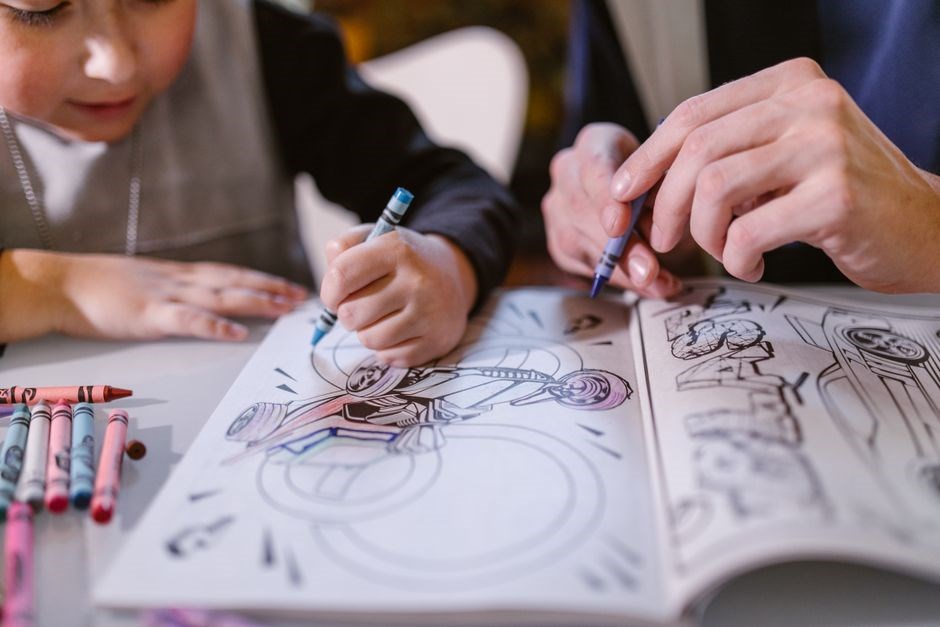
Turn pages into comic strips‚ create 3‑D models with cut‑outs‚ or design custom stickers. Use PDFs as templates for science projects‚ mapping the Rangers’ habitats or building a timeline of battles. Kids can also animate sequences by photographing colored pages‚ then compiling them into a short video. Share online.! And post.!!!!
Printing Tips for Best Quality Output
When printing Power Rangers coloring pages‚ start by selecting a high‑resolution PDF to preserve line clarity. Use a printer that supports 300‑dpi output; this ensures crisp edges for markers or crayons. Set the page size to 8.5″×11″ (or A4) and choose “Actual Size” to avoid scaling that can blur lines. If your printer offers a “Borderless” option‚ enable it so the design reaches the edge‚ giving a professional look. For colored pages‚ choose a matte paper stock to reduce glare and prevent ink bleed. If you prefer a glossy finish‚ use a heavier stock (120‑140 gsm) and apply a light spray coat after coloring to protect the artwork. Test print a single page first; adjust the brightness and contrast in the PDF viewer if the lines appear too faint. When using a home printer‚ ensure the paper tray is loaded with the correct orientation and that the printer’s driver settings match the paper weight. For large‑scale projects‚ consider a commercial print shop that can handle custom sizes and provide high‑quality‚ archival inks. Finally‚ let the printed pages dry completely before handling to avoid smudges‚ and store them flat in a portfolio or sleeve to maintain their condition. This approach guarantees that every Ranger’s silhouette remains sharp‚ vibrant‚ and ready for creative play. When choosing markers or crayons‚ opt for non‑bleeding‚ high‑pigment products that stay within the lines. Use markers for results. If you want to share your finished pages‚ scan them at 600‑dpi and save as JPEG or PNG for online posting. This ensures that the digital version retains the sharpness of the original print‚ making it suitable for social media or fan forums for creative projects.
Digital Coloring Apps Compatible with PDF Files
Digital coloring apps have evolved to support PDF files‚ allowing fans to color Power Rangers pages on tablets or computers. Popular choices include Adobe Fresco‚ which offers vector brushes and layer support‚ making it easy to keep lines crisp. Procreate’s PDF import feature lets users place a scanned page onto a canvas and use the app’s extensive brush library for vibrant hues. For detailed Ranger costumes‚ Clip Studio Paint supports PDF import and provides advanced line‑cleaning tools‚ ideal for intricate designs. Android users can try Autodesk SketchBook and Infinite Painter‚ both accepting PDFs and offering pressure‑sensitive stylus support for smooth shading. On Windows‚ Microsoft Paint 3D can open PDFs via the “Import” function‚ then users can color with its paint bucket and brush tools. iOS users can also try Tayasui Sketches‚ which includes a PDF import option and a minimalist interface for quick coloring sessions. When using these apps‚ it’s best to set the PDF’s background layer‚ lock it‚ and create a new layer above for coloring to preserve the original lines. Many apps allow exporting the finished artwork as PNG or JPEG‚ which can be shared on social media or printed later. Always check that the app’s PDF compatibility is up‑to‑date‚ as updates may add new features or improve performance. By choosing the right app‚ Power Rangers fans can enjoy high‑quality digital coloring experiences that rival traditional paper methods.
When importing‚ select the PDF’s page size to match your canvas; many apps scale the image‚ but manual scaling preserves line sharpness. Use zoom to inspect details before coloring. If the PDF has multiple pages‚ some apps let you navigate between them via a panel!!
Safety Guidelines for Children’s Screen Time
Parents and caregivers should establish clear limits on how long a child can spend coloring Power Rangers PDFs on a device. The American Academy of Pediatrics recommends no more than one hour of recreational screen time for children aged 2–5‚ and no more than two hours for those 6–12‚ unless the activity is educational. When using digital coloring apps‚ schedule short sessions of 15–20 minutes‚ followed by a break to rest eyes and stretch. Position the screen at eye level‚ about 18–24 inches away‚ and ensure adequate lighting to reduce glare. Encourage the child to look away every 20 minutes for 20 seconds at an object 20 feet away‚ following the 20‑20‑20 rule. Use blue‑light‑blocking glasses or software filters to mitigate eye strain‚ especially during evening use. Monitor the content: choose apps that allow parental controls or have a safe‑mode setting to prevent accidental access to inappropriate features. Keep the device’s operating system and apps updated to patch security vulnerabilities. Store the device in a child‑safe zone‚ and supervise usage to reinforce healthy habits. Finally‚ balance screen activities with offline play‚ such as paper coloring‚ drawing‚ or active games‚ to promote overall development and well‑being. By following these guidelines‚ parents can foster healthy screen habits while children enjoy creative coloring. They should monitor app privacy settings‚ limit data sharing‚ and encourage breaks. Discussing the themes of teamwork‚ courage‚ and responsibility in Power Rangers helps reinforce positive values. Regularly reviewing updates keeps devices secure and content appropriate. Protecting well‑being kids!
Customizing PDFs with Personal Artwork
Power Rangers coloring pages PDFs can be transformed into unique‚ personalized projects by adding original illustrations‚ color palettes‚ or thematic overlays. The process begins by selecting a high‑resolution PDF from a reputable source‚ then opening it in a vector‑based editor such as Adobe Illustrator or the free Inkscape. Users can import the base line art‚ trace it with the pen tool‚ and replace the default line strokes with custom textures or gradients that reflect their own artistic style. For those who prefer raster editing‚ Adobe Photoshop or GIMP offers layer‑based workflows: place the PDF as a background layer‚ create a new layer for the custom drawing‚ and use clipping masks to keep the artwork confined to the intended areas. When incorporating personal artwork‚ it is essential to maintain the original line integrity to preserve the coloring experience; therefore‚ designers often duplicate the line layer‚ lock it‚ and work on separate layers beneath it. Once the custom elements are complete‚ the file can be exported as a new PDF‚ ensuring that the vector paths remain editable for future revisions. Many parents and educators use this technique to create themed storybooks‚ where each page features a different Power Ranger in a setting drawn by the child. This not only boosts engagement but also encourages fine‑motor skill development and creative confidence. By integrating hand‑drawn elements‚ kids can personalize each page‚ turning coloring sheet into masterpiece that showcases growth. The result is a hybrid PDF that blends official line art with personal flair‚ offering a fresh and inspiring coloring experience.
Sharing and Community Projects
Community initiatives around Power Rangers coloring pages PDFs thrive on shared creativity and collective storytelling. Schools‚ libraries‚ and after‑school programs host themed contests where participants submit finished pages to a central gallery. Digital platforms like Google Drive and Dropbox allow educators to curate rotating selections of student artwork‚ providing instant feedback. Parents organize neighborhood “color‑in‑the‑park” events‚ distributing printed PDFs at local parks and inviting children to color together. Social media groups on Facebook‚ Instagram‚ and TikTok feature hashtag challenges (#PowerRangerColor) that prompt users to post their colored pages‚ fostering belonging. For those who prefer a structured approach‚ community art projects can be coordinated through local art centers‚ where facilitators supply blank PDFs and themed prompts. Participants collaborate on a large mural that incorporates each child’s page‚ creating a mosaic celebrating diversity and shared fandom. When projects reach a critical mass‚ organizers compile the best entries into a downloadable PDF booklet‚ which can be distributed to schools or sold. This raises awareness for the Power Rangers brand and supports local charities. Open‑source licensing agreements—such as Creative Commons Attribution—allow creators to share custom PDFs freely‚ ensuring the community can build upon each other’s work while respecting intellectual property rights. for community growth and creativity!
Future Trends in Digital Coloring Resources
Emerging digital coloring platforms are reshaping how fans interact with Power Rangers imagery. Augmented reality (AR) overlays let users scan a printed PDF and see animated Rangers glide across the page‚ creating an immersive play experience that blends tactile and virtual worlds. Cloud‑based collaborative tools enable multiple children to color the same PDF simultaneously‚ with real‑time updates that encourage teamwork and social learning. Machine‑learning algorithms analyze color choices‚ offering personalized palette suggestions that match a child’s developmental stage or mood. Interactive PDFs are evolving to include soundtracks‚ voice‑over narration‚ and motion graphics that respond to user input‚ turning a simple coloring sheet into a dynamic storytelling canvas. Subscription services are launching curated monthly bundles featuring exclusive Power Rangers designs‚ along with printable activity sheets and digital stickers that can be added to social media posts. Accessibility features such as high‑contrast outlines‚ adjustable line thickness‚ and screen‑reader compatibility are becoming standard‚ ensuring that children with visual impairments can participate fully. Finally‚ open‑source licensing models are encouraging fan artists to remix official designs‚ fostering a vibrant ecosystem where new characters and crossover themes can be created and shared legally; These trends point to a future where digital coloring is not just a pastime but a multifaceted educational and creative platform that keeps the Power Rangers legacy alive for generations to come. These tools promise to transform every child’s routine into collaborative adventure!
and Next Steps
Parents can rotate themes‚ introduce palettes‚ host mini‑contests where children submit pages for a gallery This holistic approach turns a simple coloring activity into an interactive learning adventure that celebrates teamwork‚ creativity‚ and cultural appreciation‚ ensuring the Power Rangers legacy continues to inspire future generations. By integrating storytelling prompts—such as “Describe the Ranger’s feelings after a battle”—children deepen narrative skills while practicing fine‑motor coordination‚ reinforcing both linguistic and motor development. In addition‚ teachers can embed these PDFs into digital lesson plans‚ allowing students to annotate directly on the pages using stylus pens or touchscreens‚ which encourages a deeper engagement with the material and promotes digital literacy skills. Furthermore‚ parents and educators can create themed coloring contests that reward creativity with small prizes or certificates‚ fostering a sense of achievement and encouraging repeated engagement with the material. Digital platforms can also host virtual galleries where children upload their finished work‚ allowing peers to comment and vote‚ which not only builds confidence but also introduces basic concepts of digital citizenship and online etiquette. To support diverse learning styles‚ educators can provide color‑blind friendly palettes and offer audio descriptions of each scene‚ ensuring that every child can participate fully and enjoy the creative process. In closing‚ blending coloring with modern tech lets families and teachers create a space that preserves the Power Rangers excitement while building collaboration‚ critical thinking‚ and digital skills.!!?