Nitrogen leak testing is a crucial procedure‚ often detailed in documents like the K2S-CW230907-BA6008-00006 PDF‚ ensuring device integrity and safety through controlled pressurization.
Importance of Leak Testing
Leak testing‚ as outlined in resources like the nitrogen leak test procedure PDF (K2S-CW230907-BA6008-00006)‚ is paramount for maintaining the reliability and safety of numerous systems. For medical devices‚ as highlighted by kellypneumatics.com‚ verifying leak-tightness is non-negotiable‚ directly impacting patient well-being.
Beyond healthcare‚ pressure testing – often employing nitrogen as detailed by coolconcerns.co.uk – safeguards against failures in critical infrastructure and industrial applications. Detecting even minute leaks prevents costly downtime‚ material loss‚ and potential hazards. The procedure ensures components meet stringent quality standards‚ documented in test reports‚ and guarantees long-term operational efficiency. Proper testing‚ utilizing controlled nitrogen pressure via electronic regulators‚ is therefore a fundamental aspect of quality assurance.
Applications of Nitrogen Leak Testing
Nitrogen leak testing‚ detailed in procedures like the K2S-CW230907-BA6008-00006 PDF‚ finds widespread application across diverse industries. GENERON emphasizes its use for pressure testing‚ particularly where a safe‚ inert gas is required. Medical device manufacturers‚ as noted by kellypneumatics.com‚ rely heavily on this method to ensure the integrity of IV devices and other critical equipment.
Coolconcerns.co.uk highlights its role in general pressure testing‚ verifying leak-tightness in various systems. Beyond these‚ applications extend to HVAC systems‚ refrigeration‚ automotive components‚ and aerospace engineering. Nitrogen’s inert nature prevents reactions‚ making it ideal for testing sensitive materials. The procedure‚ involving controlled pressurization and leak detection‚ guarantees product reliability and adherence to safety regulations.

Safety Precautions for Nitrogen Leak Testing
Prior to testing‚ as outlined in resources like Cool Concerns’ pressure testing guide‚ always wear safety goggles and ensure proper manifold valve operation.
Personal Protective Equipment (PPE)
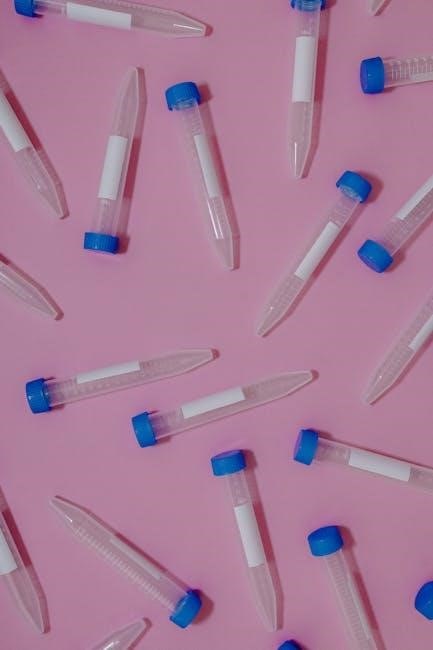
Essential PPE is paramount during nitrogen leak testing to mitigate potential hazards. As highlighted in pressure testing documentation‚ such as that from Cool Concerns Ltd‚ safety goggles are a non-negotiable requirement. These protect eyes from potential projectiles or nitrogen spray resulting from component failure during pressurization.
Furthermore‚ depending on the test setup and environment‚ additional PPE may be necessary. This could include gloves to protect hands from cold burns associated with rapid nitrogen expansion‚ and potentially‚ hearing protection if the test involves high-pressure releases. A full risk assessment‚ referencing the specific nitrogen leak test procedure PDF‚ should dictate the complete PPE ensemble. Proper training on the use and limitations of each PPE item is also critical for operator safety.

Nitrogen Gas Handling Safety
Safe nitrogen handling is critical‚ as outlined in detailed procedures like the K2S-CW230907-BA6008-00006 PDF. Always ensure the manifold valve is open before opening the nitrogen source‚ preventing sudden‚ uncontrolled pressure surges. Nitrogen is an asphyxiant; adequate ventilation is essential to prevent oxygen displacement in enclosed spaces.
Never use oil or grease on nitrogen fittings‚ as these can react with the gas and create a fire hazard. Regularly inspect hoses and connections for leaks or damage‚ replacing them immediately if found. Proper storage of nitrogen cylinders‚ secured upright and away from heat sources‚ is also vital. Familiarize yourself with the specific safety protocols detailed within your nitrogen leak test procedure PDF before commencing any testing.

Nitrogen Leak Test Procedure – Step-by-Step
Following a detailed PDF‚ like K2S-CW230907-BA6008-00006‚ involves system isolation‚ nitrogen purging‚ controlled pressurization‚ and meticulous leak detection for verification.
Preparation and System Isolation
Prior to initiating the nitrogen leak test‚ as outlined in procedures like the K2S-CW230907-BA6008-00006 PDF‚ thorough preparation and complete system isolation are paramount. This begins with ensuring all components intended for testing are clean‚ dry‚ and free from any obstructions. Crucially‚ disconnect the system from any operational power sources and isolate it from any other connected systems or processes.
All valves leading to or from the test section must be securely closed‚ and any open ports or connections must be properly sealed to prevent nitrogen leakage and maintain accurate test pressure. Verify the integrity of all seals and gaskets‚ replacing any that show signs of wear or damage. Document this pre-test inspection as part of the overall test record‚ confirming the system’s readiness for pressurization.
Purging the System with Nitrogen
Following system isolation‚ as detailed in documents like the K2S-CW230907-BA6008-00006 PDF‚ purging the system with nitrogen is essential to remove any residual air or contaminants. This process involves slowly introducing nitrogen gas into the isolated volume‚ displacing the existing atmosphere. Begin with a low flow rate to avoid disturbing any sensitive components or seals within the system.
Continue purging until all air is expelled‚ typically verified by monitoring the oxygen content within the system. Ensure the manifold valve is open during this process‚ as noted by Cool Concerns Ltd. Proper purging prevents inaccurate leak detection results and ensures the test utilizes a pure nitrogen environment‚ maximizing sensitivity and reliability. Document the purging duration and any observations made during the process.
Pressurization Procedure
After successful purging‚ as outlined in resources like the K2S-CW230907-BA6008-00006 PDF‚ the system is carefully pressurized with nitrogen. Crucially‚ an electronic pressure regulator‚ as highlighted by kellypneumatics.com‚ must be utilized to provide controlled and precise pressure application; Begin slowly‚ gradually increasing the pressure to the predetermined test level‚ constantly monitoring the pressure gauges for stability.
Avoid exceeding the maximum allowable test pressure‚ calculated based on system design and safety factors. Cool Concerns Ltd. emphasizes calculating these pressures accurately. Maintain the test pressure for a specified duration‚ allowing sufficient time for leak detection. Throughout the pressurization‚ continuously observe for any signs of stress or deformation within the system components.
Leak Detection Methods
Following pressurization‚ leak detection begins. A primary method is visual inspection‚ meticulously examining all joints‚ welds‚ and connections for any signs of escaping nitrogen – often appearing as bubbles when using leak detection solutions. These solutions‚ applied to potential leak points‚ will effervesce upon contact with escaping gas.
More sophisticated methods may involve specialized leak detection equipment‚ depending on the system’s complexity. Resources like the K2S-CW230907-BA6008-00006 PDF may detail specific equipment requirements for certain applications. Accurate detection is vital; even small leaks can compromise system performance and safety‚ necessitating thorough verification.
Visual Inspection for Leaks
Visual inspection forms the initial‚ and often most straightforward‚ step in leak detection. Technicians carefully examine all potential leak points – welds‚ fittings‚ seals‚ and connections – for visible signs of escaping nitrogen. This may manifest as bubbling‚ particularly when a leak detection solution is applied.
The K2S-CW230907-BA6008-00006 PDF likely emphasizes the importance of a systematic approach‚ ensuring no area is overlooked. Safety goggles‚ as noted by Cool Concerns Ltd‚ are crucial during this process. A bright light can aid visibility‚ especially in confined spaces. This method is effective for larger leaks but may miss smaller‚ slower escapes‚ requiring supplementary techniques.
Using Leak Detection Solutions
Leak detection solutions significantly enhance the sensitivity of visual inspection‚ particularly for pinpointing smaller nitrogen leaks. These solutions‚ typically soap-based‚ are applied to suspected leak areas. The presence of escaping nitrogen creates visible bubbles‚ clearly indicating a leak’s location.
Documents like the K2S-CW230907-BA6008-00006 PDF would detail appropriate solution concentrations and application methods. It’s vital to select a solution compatible with the tested materials to avoid corrosion or damage. Kellypneumatics.com highlights the need for controlled pressure‚ delivered by an electronic regulator‚ to effectively utilize these solutions. Thorough rinsing after testing is also essential.

Acceptance Criteria and Leak Rate Limits
Establishing clear acceptance criteria is paramount in nitrogen leak testing‚ often specified within detailed procedures like the K2S-CW230907-BA6008-00006 PDF. These criteria define the maximum permissible leak rate‚ ensuring system integrity and safety. Coolconcerns;co.uk emphasizes testing at PS (Pounds per Square Inch)‚ requiring careful pressure calculation.
Leak rate limits depend on the application; medical devices‚ as noted by kellypneumatics.com‚ demand stringent standards. The test report must document these limits and the achieved results. Failure to meet criteria necessitates investigation and corrective action. Proper documentation ensures traceability and adherence to quality control standards throughout the testing process.

Equipment Required for Nitrogen Leak Testing
Essential equipment includes a nitrogen gas source‚ a precise pressure regulator (like those from kellypneumatics.com)‚ gauges‚ and leak detection tools‚ as outlined in PDFs.
Nitrogen Gas Source
The nitrogen gas source is fundamental to the entire leak testing process‚ and its selection impacts test reliability. Documents like the K2S-CW230907-BA6008-00006 PDF highlight the need for a consistent and controlled supply. Options range from compressed nitrogen cylinders – readily available but requiring monitoring and refilling – to dedicated onsite nitrogen generators‚ as advocated by GENERON.
Onsite generators offer advantages like continuous supply and potentially lower long-term costs‚ eliminating cylinder logistics. Regardless of the source‚ purity is critical; contaminants can interfere with leak detection. The pressure regulator‚ discussed elsewhere‚ relies on a stable input from the nitrogen source. Proper handling‚ as noted by Cool Concerns Ltd‚ is paramount for safety‚ ensuring the manifold valve is open before cylinder access.
Pressure Regulator
A pressure regulator is a vital component‚ meticulously controlling nitrogen flow during leak testing‚ as emphasized in resources detailing the nitrogen leak test procedure. Kellypneumatics.com stresses the necessity of an electronic pressure regulator for precise control‚ particularly for sensitive applications like medical devices. This ensures consistent pressure delivery throughout the test duration‚ crucial for accurate results.
The regulator steps down the high pressure from the nitrogen source to a safe and appropriate test pressure‚ determined by system design considerations. It must be compatible with nitrogen and capable of handling the required flow rate. Proper adjustment and calibration are essential‚ and regular inspection for leaks within the regulator itself is recommended to maintain test integrity and safety.
Pressure Gauges
Accurate pressure gauges are indispensable for monitoring nitrogen levels during leak testing‚ a key aspect detailed within a nitrogen leak test procedure PDF. These gauges provide real-time feedback‚ confirming the system is pressurized to the correct test pressure and verifying pressure stability throughout the duration. Multiple gauges may be employed – one at the regulator output and another near the test component – for comprehensive monitoring.
Gauges must be calibrated regularly to ensure accuracy‚ and their selection should consider the expected pressure range. Coolconcerns.co.uk highlights pressure testing at PS‚ implying the need for gauges capable of measuring these levels. Choosing gauges with clear markings and appropriate resolution is vital for precise readings and reliable leak detection.
Leak Detection Equipment
Leak detection equipment is central to a successful nitrogen leak test‚ as outlined in a typical nitrogen leak test procedure PDF. Beyond simple visual inspection‚ specialized tools enhance sensitivity and pinpoint leak locations. These can range from ultrasonic leak detectors‚ which identify leaks by sensing the sound of escaping gas‚ to sophisticated leak detection solutions applied to potential leak points.
Kellypneumatics.com emphasizes controlled pressure via electronic regulators‚ necessitating equipment capable of maintaining stable nitrogen flow. The choice of equipment depends on the system’s complexity and required sensitivity. Accurate detection is crucial for medical devices‚ demanding reliable tools to verify integrity and prevent failures. Proper equipment selection ensures thorough testing and adherence to safety standards.
Calculating Test Pressures
Test pressure calculation‚ detailed in resources like coolconcerns.co.uk‚ is vital; ensuring it exceeds operational pressures‚ but remains within system design limits for safety.
Determining Appropriate Test Pressure
Establishing the correct test pressure is paramount for effective nitrogen leak testing‚ as highlighted in various procedural documents‚ including the K2S-CW230907-BA6008-00006 PDF. This pressure must surpass the maximum expected operating pressure of the system under test‚ providing a sufficient margin to reveal even minor leaks.
Resources like coolconcerns.co.uk emphasize calculating this pressure carefully‚ avoiding over-pressurization that could damage the system. The test should ideally be conducted at a pressure specified as ‘PS’ – a standard pressure suitable for leak detection. Consideration must be given to the system’s material strength and design limitations.
An electronic pressure regulator‚ as noted by kellypneumatics.com‚ is crucial for maintaining controlled and precise pressure during the test‚ ensuring both accuracy and safety throughout the procedure.
Considerations for System Design
System design significantly impacts the nitrogen leak testing process‚ as detailed within procedural documentation like the K2S-CW230907-BA6008-00006 PDF. Complex systems with numerous connections and components require more thorough testing and potentially higher test pressures to identify all potential leak paths.
Coolconcerns.co.uk stresses the importance of understanding the system’s construction and materials when determining appropriate test pressures. Welded joints‚ threaded connections‚ and seals are all potential leak points that must be considered. The design should facilitate access for leak detection methods‚ both visual and those employing solutions.
Furthermore‚ the system’s intended operating environment should influence the test parameters. Ensuring the system is designed for safe pressurization is vital‚ as highlighted by the need for safety goggles during testing.
Documentation and Reporting
Detailed records‚ mirroring the thoroughness of a nitrogen leak test procedure PDF like K2S-CW230907-BA6008-00006‚ are essential for traceability and quality control.
Nitrogen Leak Test Report Contents
A comprehensive nitrogen leak test report‚ often mirroring the detailed steps outlined in a procedure PDF such as K2S-CW230907-BA6008-00006‚ should meticulously document all aspects of the testing process. This includes a clear identification of the system or component tested‚ the date and time of the test‚ and the names of the personnel involved.
Crucially‚ the report must specify the test pressure applied‚ the duration of the test‚ and the method of leak detection employed – whether visual inspection or utilizing leak detection solutions. Any observed leaks‚ their location‚ and size should be precisely recorded. Furthermore‚ the report needs to state whether the system passed or failed the test‚ referencing pre-defined acceptance criteria and leak rate limits. Finally‚ any deviations from the standard nitrogen leak test procedure‚ and their justification‚ must be included for complete transparency and auditability.
Record Keeping and Traceability
Maintaining meticulous records of nitrogen leak tests‚ aligned with the procedures detailed in documents like the K2S-CW230907-BA6008-00006 PDF‚ is paramount for quality assurance and regulatory compliance. These records should be securely stored and readily accessible for audits and investigations.
Traceability is key; each report must be uniquely identified and linked to the specific component or system tested‚ the associated manufacturing batch‚ and the approved nitrogen leak test procedure version. This ensures a clear audit trail‚ allowing for quick identification of potential issues and facilitating root cause analysis. Proper record keeping demonstrates a commitment to safety and reliability‚ particularly vital for medical devices and critical infrastructure‚ as highlighted in resources from kellypneumatics.com.
Nitrogen vs. Other Leak Testing Gases
Nitrogen‚ as GENERON highlights‚ is often preferred for leak tests due to its inert nature and availability via onsite generators‚ detailed in procedure PDFs.
Advantages of Using Nitrogen
Nitrogen presents several key advantages when employed in leak testing procedures‚ as evidenced by resources like those from GENERON and detailed within specific procedure PDFs (e.g.‚ K2S-CW230907-BA6008-00006). Its inert and non-flammable nature significantly enhances safety‚ mitigating risks associated with other gases. Furthermore‚ nitrogen is readily available and often more cost-effective‚ particularly when generated on-site‚ streamlining the testing process.
Compared to helium‚ nitrogen avoids potential issues related to helium’s small molecular size and tendency to permeate materials‚ potentially masking small leaks. While air can be used‚ nitrogen provides a drier‚ more consistent testing medium‚ improving accuracy. Cool Concerns Ltd. emphasizes safety goggles during pressure testing‚ a precaution easily implemented with nitrogen’s safe profile. Ultimately‚ nitrogen offers a balance of safety‚ cost-effectiveness‚ and reliability for comprehensive leak detection.
Comparison with Helium and Air
Comparing nitrogen to helium and air in leak testing‚ as detailed in resources like those from GENERON and procedure documents (K2S-CW230907-BA6008-00006)‚ reveals distinct trade-offs. Helium‚ while highly sensitive for detecting minute leaks‚ is significantly more expensive and prone to permeating test materials‚ potentially yielding false negatives. Air‚ readily available‚ introduces moisture and inconsistent composition‚ reducing test accuracy.
Nitrogen strikes a balance. It’s less expensive than helium and doesn’t permeate as readily‚ offering reliable results. Cool Concerns Ltd. highlights the importance of safety during pressure testing‚ a benefit enhanced by nitrogen’s inert nature. While helium excels in sensitivity‚ nitrogen’s practicality and safety profile‚ coupled with its cost-effectiveness‚ make it a preferred choice for many applications outlined in standard leak test PDFs;